Everyone who picks up a camera for street photography asks this question eventually. Most ask it on day one.
The honest answer is that the fear does not fully go away. But the more useful answer is that it changes shape as you develop, and what replaces it is something far more interesting than courage.
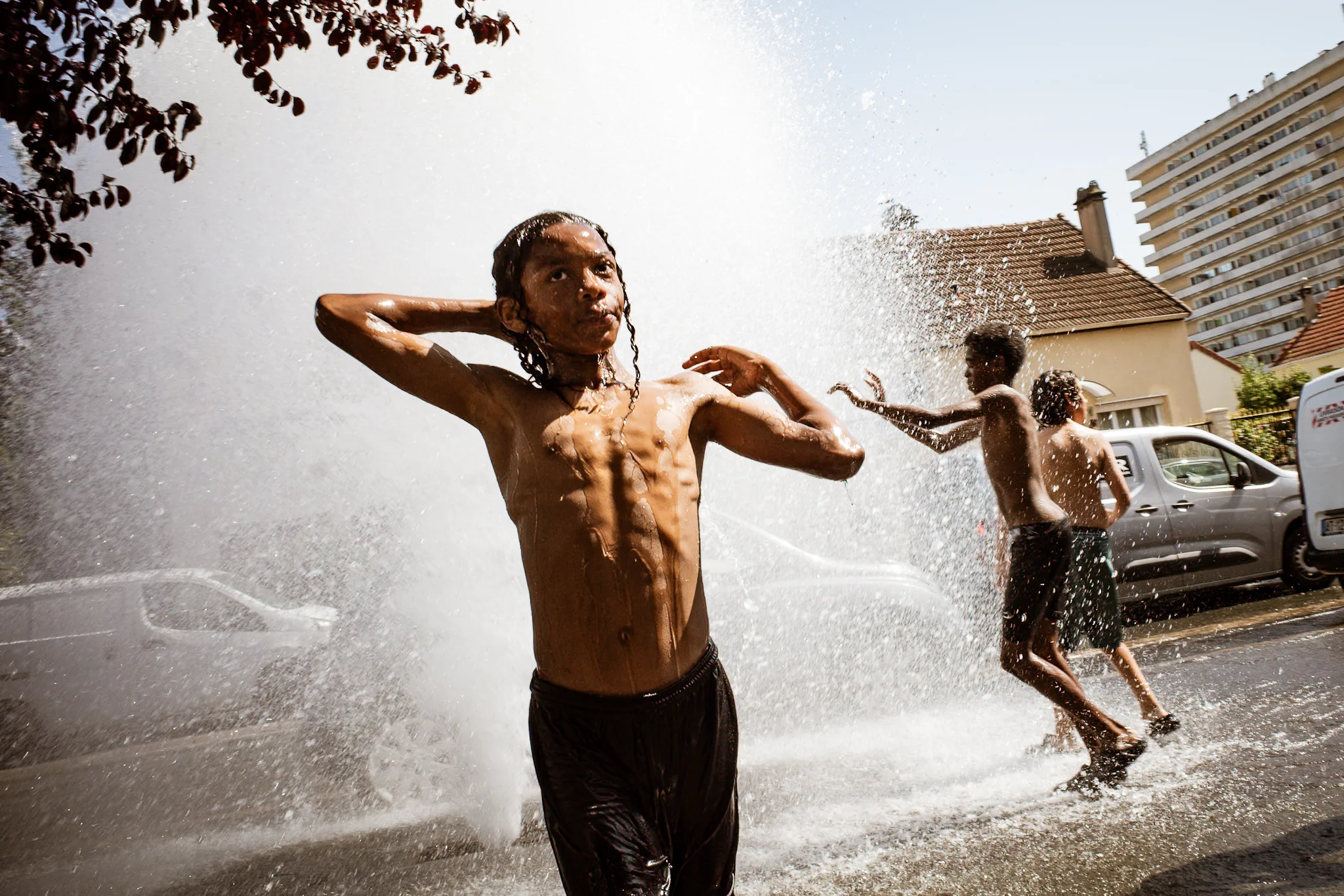
Yes, I felt it too.
When I started photographing people on the street, there was a real hesitation every time I raised the camera toward someone I did not know. That moment of doubt before the shutter. The mental calculation of whether they would notice, whether they would react, whether I had any right to be doing this at all.
What shifted for me was not bravery. It was a change in how I saw the photograph itself.
I shoot with a Ricoh GR III, a compact camera with a fixed 28mm lens. That focal length is wide enough to include the world around a person, not just the person alone. And gradually I stopped thinking about photographing strangers and started thinking about photographing moments, where a stranger happens to be the focal point of something larger. The person and the place. The face and the light. The individual and the crowd around them.
When your subject is the connection between a person and their environment, you are no longer pointing a camera at someone. You are documenting something they are part of.
That distinction changed everything.
There is a famous saying in photography, often attributed to Robert Capa: “If your photos aren’t good enough, you’re not close enough.”
I understand what it means, and I respect what it stands for. But it is not my photography.
My work is about connection. The relationship between a stranger and the space they occupy, the mood of a crowd, the weight of an ordinary moment in an extraordinary city. Getting physically closer does not always get you closer to that. Sometimes it breaks it entirely.
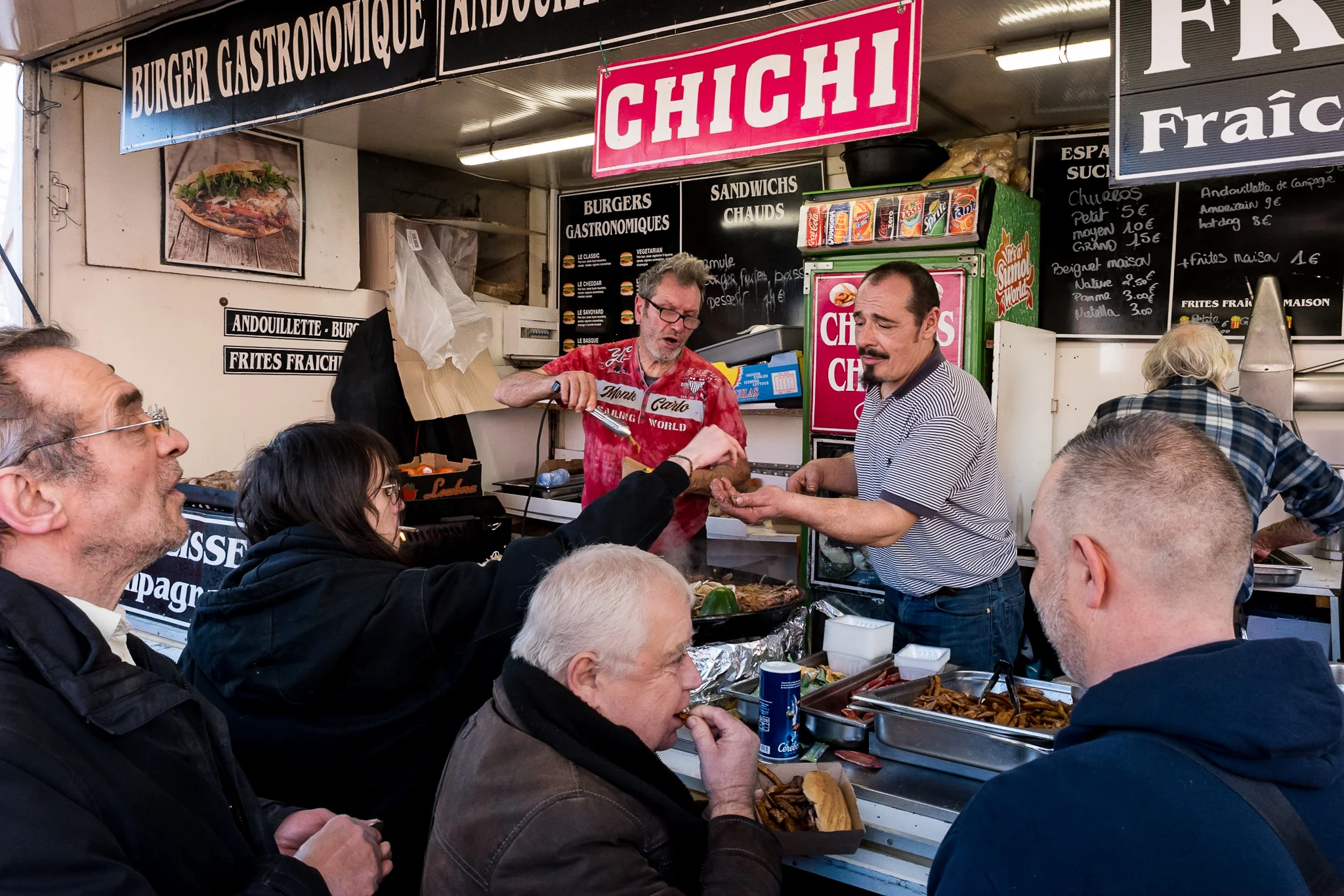
This freed me from a particular kind of pressure that stops a lot of street photographers before they even start. The pressure to be bold, confrontational, to shove a lens into someone’s personal space and hope for a reaction. That approach works for some photographers. It is just not the only valid one.
Find the approach that matches what you are actually trying to say. The fear gets smaller when you stop fighting someone else’s idea of what street photography has to look like.
When I am out shooting, I move through the city the way a curious person naturally would. Which, in my case, is not much of an act because I am genuinely curious by nature. I look around. I pause. I notice things. If you observe me on the street, I probably look like a visitor seeing something for the first time, even in a neighbourhood I have walked a hundred times.
That energy is disarming. People are less guarded around someone who seems absorbed in the world rather than hunting for a shot.
I do not make direct eye contact with my subjects. My eyes are on the viewfinder or the screen. There is no confrontational moment, no acknowledgment that something is happening. If someone approaches me, I engage warmly and naturally. But I do not seek that interaction out, and I rarely need to.
The fear of shooting strangers is really a fear of being seen doing it. Of being caught, of causing a scene, of having to explain yourself.
The more time you spend on the street with a camera, the more you realise that most people are far too absorbed in their own lives to notice you. And the ones who do notice usually move on within seconds.
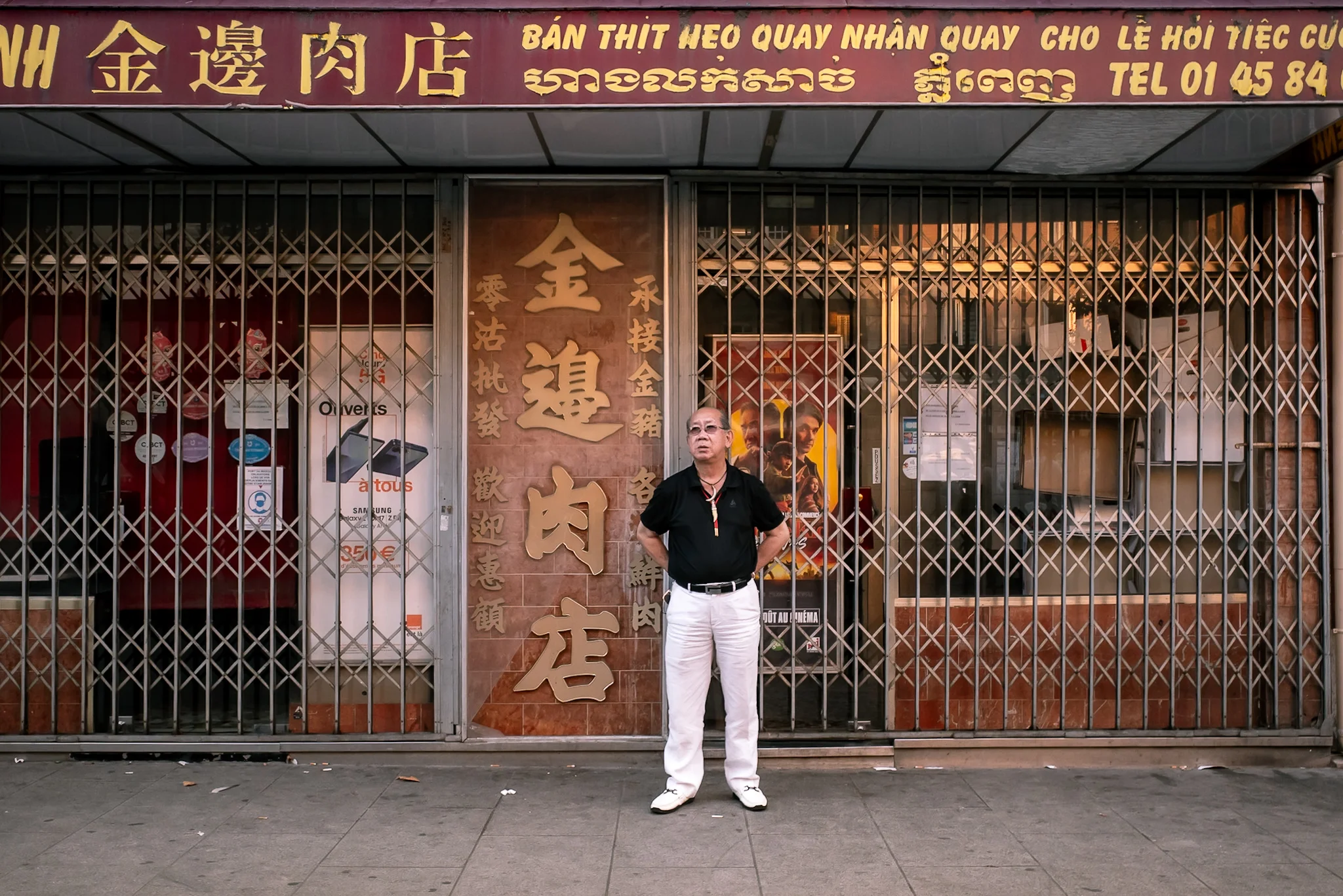
What matters more than overcoming fear is finding a way of working that feels honest to you. If your instinct is to stay back and take in the whole scene, do that. If your instinct is to move in close and fill the frame with a single face, do that. The photographers who seem fearless on the street are usually just deeply comfortable with their own approach, and that comfort took time to build.
Give yourself the same time.
Start with environments where you feel less exposed. Busy markets, crowded metro platforms, public celebrations. Anywhere the collective energy is high enough that you become part of the scene rather than an observer of it. Work from there, gradually, at your own pace.
The camera gets lighter the more you carry it.